Best Bed Bug Treatment Options: Your Complete Reference to a Pest-Resistant Home
An efficient bed bug treatment demands a systematic approach. Homeowners must first recognize the signs of an infestation, such as reddish-brown stains and shed skins. Comprehending the bed bug developmental stages is essential for effective management. While do-it-yourself methods can provide initial relief, knowing when to obtain expert help is just as vital. The right strategies can lead to a pest-free environment, but what actions should be prioritized for the best results?
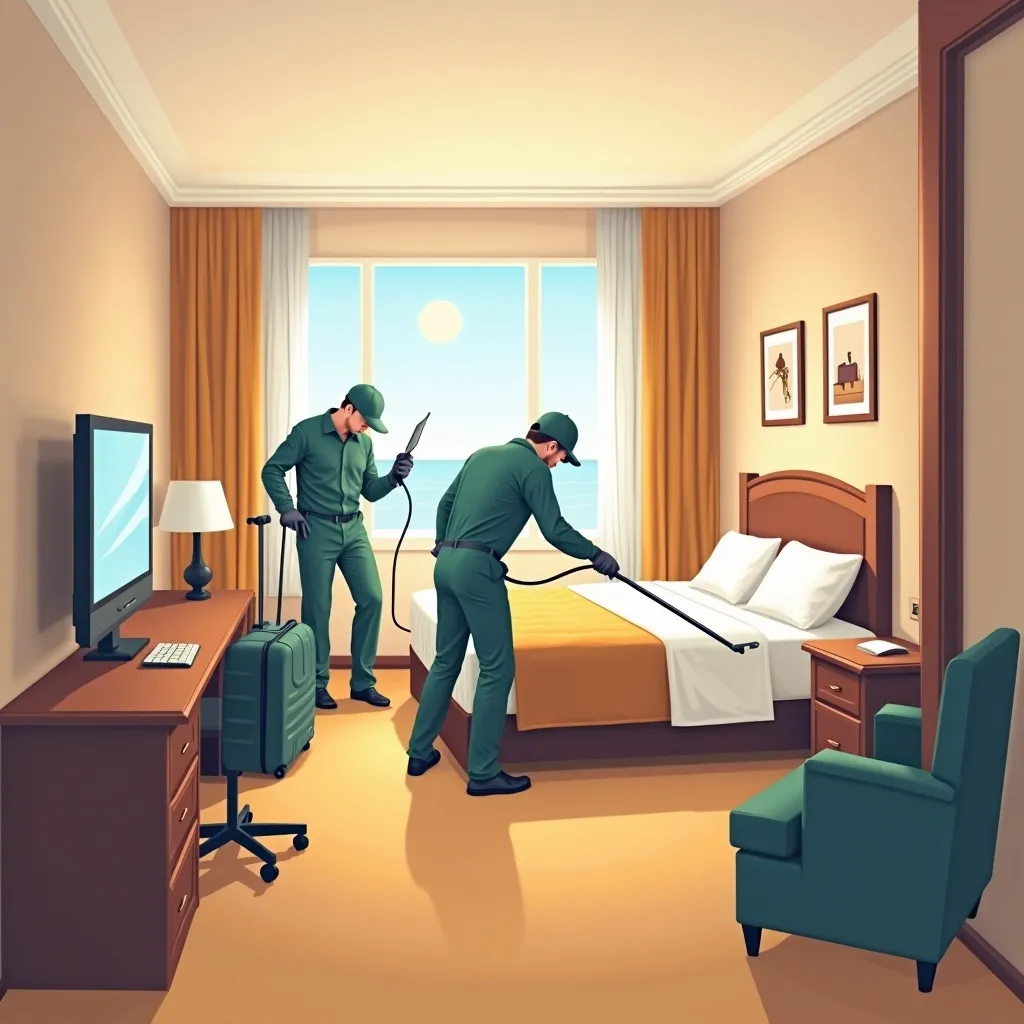
How to Identify Bed Bug Invasions: Key Indicators to Spot
Spotting a Cimex lectularius infestation demands careful observation of specific clues. One of the most noticeable indicators is the presence of small, rust-colored stains on sheets and mattresses, which are often the result of crushed bed bugs. You may also find tiny, white eggs and shed skins in crevices, indicating a well-established population. Dark excrement spots left by bed bugs can frequently be seen on bedding, furniture, or walls. Heavily infested areas may emit a musty odor, indicating a more serious issue. Inspectors should check mattress seams, box springs, and furniture joints, which are common hiding spots for bed bugs. Another sign of infestation is unexplained skin bites appearing in clusters or lines. Timely identification is essential for effective treatment, making awareness of these signs vital for homeowners.
Understanding the Bed Bug Life Cycle: Why It Matters for Treatment
Understanding the bed bug lifecycle is vital for putting into place efficient treatment techniques, as each stage presents different challenges. Bed bugs complete five nymphal stages before becoming adults, needing a blood meal at each stage to grow. The entire life cycle, from egg to adult, can happen in as little as six weeks under ideal conditions. This rapid breeding means that infestations can expand quickly if not tackled promptly.
Adult bed bugs can survive for several months without feeding, hampering elimination attempts. Knowledge of this life cycle aids in scheduling interventions efficiently, as interventions must address both adults and nymphs. Moreover, understanding how eggs can conceal in small gaps stresses the significance of comprehensive checks and extensive treatment approaches. By aligning treatment strategies with the lifecycle of bed bugs, homeowners and pest control professionals can improve the likelihood of achieving a bug-free home.
DIY Bed Bug Removal Strategies: What You Must Learn
How can homeowners successfully tackle bed bug issues using self-help techniques? First, detailed cleaning is important; washing bedding and clothing in hot water and drying on high heat can wipe out many bugs and eggs. Vacuuming furniture, carpets, and crevices helps remove visible pests and debris. Inhabitants should properly discard the vacuum bag immediately to prevent re-infestation.
In addition, using caulk to seal gaps and fissures can minimize hiding spots. Homemade devices, like using a low container containing soapy water, can trap bed bugs while crossing. Natural oils including tea tree or lavender might repel bed bugs with careful application, but their potency is variable.
Ultimately, spreading diatomaceous earth in infested areas can aid by dehydrating the bugs. While these techniques can be helpful, consistency and thoroughness are crucial to achieving sustained results in tackling bed bug infestations.
What Time Ought You Contact for Professional Support With Bed Bugs?
Despite the effectiveness of different do-it-yourself approaches for controlling bed bug infestations, there are situations where professional intervention becomes necessary. If people find that their efforts have not yielded results after several weeks, it may suggest a more severe infestation that requires professional care. Additionally, if the problem has spread beyond the bedroom to different spaces of the home, such as living rooms or hallways, expert assistance is strongly advised.
Furthermore, individuals managing large infestations or who have medical issues—such as allergies or respiratory issues—should think about reaching out to professional exterminators. Experts have specialized knowledge and access to superior solutions that are not accessible by the typical household owner. Finally, if there are worries about the possibility of recurring pest problems during the application period, it is wise to seek expert help to guarantee a thorough and effective resolution.
How to Assess Bed Bug Treatment Products
What factors should one take into account when assessing bed bug treatment products? Efficacy is vital; users should choose products that have demonstrated effectiveness against bed bugs. It is important to examine product labels and identify active ingredients known to eliminate these pests. Safety is a key factor, particularly for households with children or pets. Non-toxic or low-toxicity options are preferable. Ease of application also is important; products that are easy to apply can encourage use and effectiveness. Additionally, consider the treatment’s duration of effectiveness and whether it needs multiple applications. Finally, cost should be balanced with the effectiveness and safety of the product. User reviews and professional recommendations can give helpful feedback into the product's performance. By evaluating these factors, individuals can make well-informed selections to guarantee a successful bed bug treatment experience.
Preventing Future Infestations: Optimal Practices for Householders
Assessing bed bug treatment products is only part of the struggle; halting upcoming invasions is equally important for homeowners. To preserve a pest-controlled environment, routine inspections of living spaces are essential. Homeowners should inspect for traces of bed bugs, such as shed skins or dark spots, especially around mattresses and furniture.
Implementing safety precautions is crucial. Encasements for bedding and foundations get going can act as a shield, while frequent vacuuming and steam treatments can remove possible refuge areas. Additionally, homeowners should be careful when traveling, examining bags and garments upon return.
Reducing clutter also reduces bed bug sheltering zones, making it easier to spot and treat any potential issues. Finally, fostering open communication with nearby residents can help in timely discovery, as bed bugs can spread between units in residential buildings. By following these guidelines, homeowners can greatly reduce the risk of recurring invasions.
Commonly Requested Topics
Do Bed Bugs transmit Diseases to Humans?
Bed bugs do not transmit diseases to humans. Their bites can elicit irritation and allergic reactions, but they are not deemed hosts of pathogens that lead to pathological conditions, making them more a nuisance than a physical danger.
What Duration Can Bed Bugs Live Without a Host?
Bed bugs are able to live without a host for around 2-6 months, contingent upon environmental conditions. Aspects such as heat and moisture substantially impact their length of survival during this period without eating.
Are Bed Bugs Drawn to Specific Material Types?
Bed bugs usually choose plant-based textiles such as cotton and wool, which deliver better shelter and heat insulation. Synthetic materials, while not favored, can still host these parasites if situations allow infestation.
Pets Transporting Bed Bugs Into Your Home - Can It Occur?
Yes, pets can unknowingly carry bed bugs into the home. These unwanted creatures may cling to fur or be conveyed in pet possessions, increasing the risk of proliferation if proper precautions aren't taken. Regular inspections are advisable.
What Actions Can I Execute With Infested Clothing?
One should address infested clothing by cleaning items in heated water and drying out them on high heat. Items unable to be washed may be enclosed in plastic bags and frozen for multiple days to eliminate bed bugs.